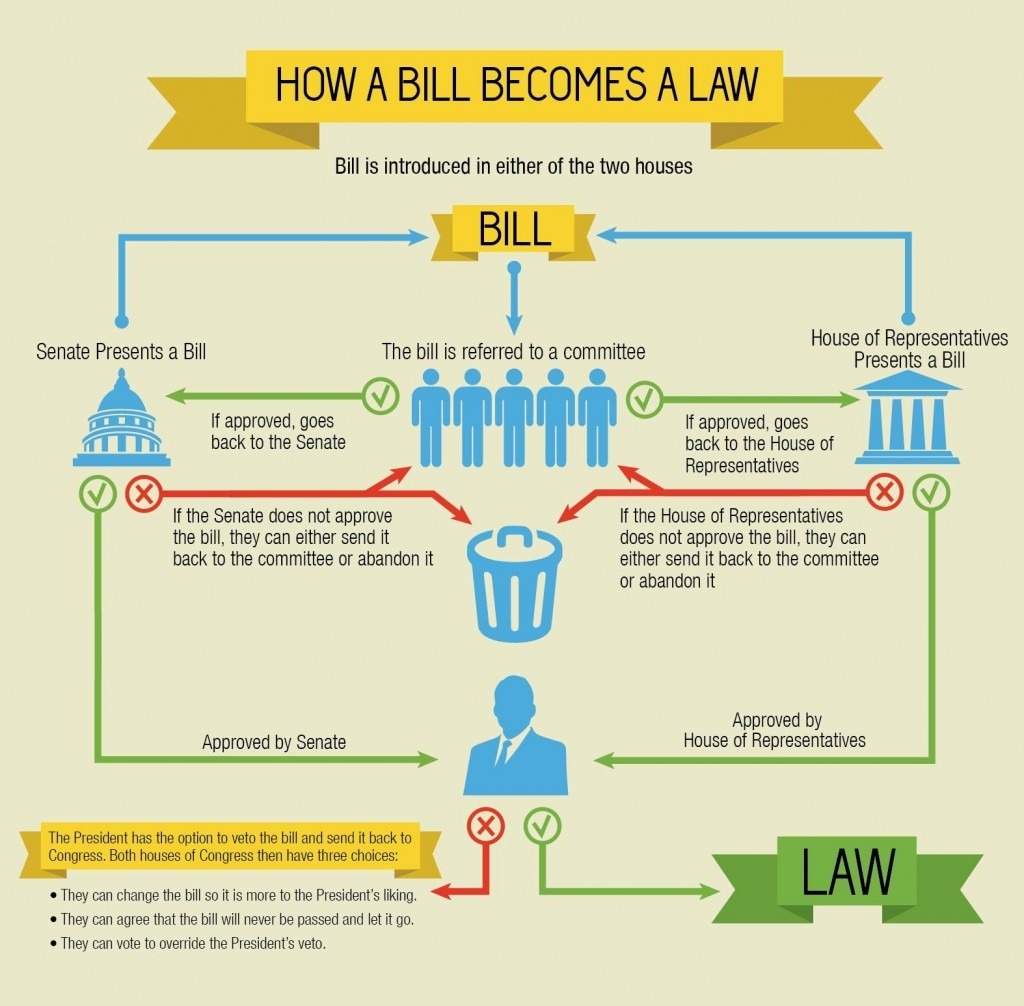
How an expense ends up being a legislation state degree? – Ever asked yourself exactly how an easy concept changes right into a state legislation? It’s a remarkable procedure, a little bit like a legal rollercoaster. From preliminary stimulate to last trademark, an expense experiences a number of crucial actions, each important to making sure the legislation offers the individuals’s benefits. This trip, while distinct in each state, usually complies with a comparable pattern. Allow’s take a peek inside.
The procedure generally begins with a concept. This concept might originate from a worried resident, a state rep, a powerbroker, or perhaps a guv. As soon as a concept is expanded, it’s composed right into an official costs. This costs is after that presented to the proper legal body (like the state House or Senate). Visualize this as the launching pad for the costs’s trip via the legal puzzle. At this phase, it’s important to bear in mind that costs can cover a vast array of subjects, from education and learning and transport to environmental management and public security.
Now, the costs gets in the board phase. Boards look at the costs and evaluate thoroughly. They hold hearings, collect statement from stakeholders and professionals, and make changes. This complete evaluation resembles a quality assurance check. Consider it as a legal filter, making sure just one of the most well-supported and practical costs move on. It can be eliminated at this phase if an expense is considered unneeded or troublesome. If it makes it through, it’s prepared for additional argument.
Key Stages of the Process
- Introduction: The costs is officially provided to the legislature.
- Committee Review: The costs is examined and possibly changed by appropriate boards.
- Debate and Voting: The costs is discussed and elected on by the legal body.
- Conference Committee (if required): If your house and Senate variations vary, a meeting board functions to integrate them.
- Final Vote: Both legal chambers ballot on the fixed up costs.
- Governor’s Action: The guv indicators or vetoes the costs.
After browsing the board phase, the costs transfers to the flooring for argument and an enact each legal chamber. Visualize this as a public discussion forum, where reps talk about the costs’s qualities and possible influences. Modifications can be recommended, and challengers and fans provide their disagreements. A vital ballot complies with, establishing whether the costs advancements to the following action. The costs after that goes to the various other chamber for the very same procedure if accepted. This back-and-forth makes certain complete factor to consider from different viewpoints.
If both chambers accept the costs, it’s sent out to the guv for last authorization. The guv can either authorize the costs right into legislation, veto it, or take no activity. A veto can be bypassed by a supermajority enact the legislature, a testimony to the equilibriums and checks fundamental in the system. A trademark from the guv formally changes the costs right into a state legislation. At this moment, the legislation works on a marked day, influencing the lives of residents within the state.